
Fake or genuine: How to recognize an original Murano lamp

Murano glass is one of the world’s most sought-after handcrafted products – and unfortunately also one of the most copied. Industry estimates say that up to 40% of the "Murano glass" sold globally is actually mass-produced copies from Asia or Eastern Europe. When you invest in a Murano lamp, it’s essential to know what to look for.
Vetro Artistico Murano trademark
In 1994 the Venetian authorities established the "Vetro Artistico Murano" trademark to protect the genuine craft. Only glassworks physically located on the Murano island that follow traditional techniques are entitled to use this mark. When you see this mark, you know the glass was produced on the island by authorized master glassmakers.
At Vetro we work directly with certified glassblowers on Murano, and all our lamps can be traced back to the workshop that made them. Each new lamp receives its own digital certificate of authenticity with a unique number.
Five signs of genuine Murano glass
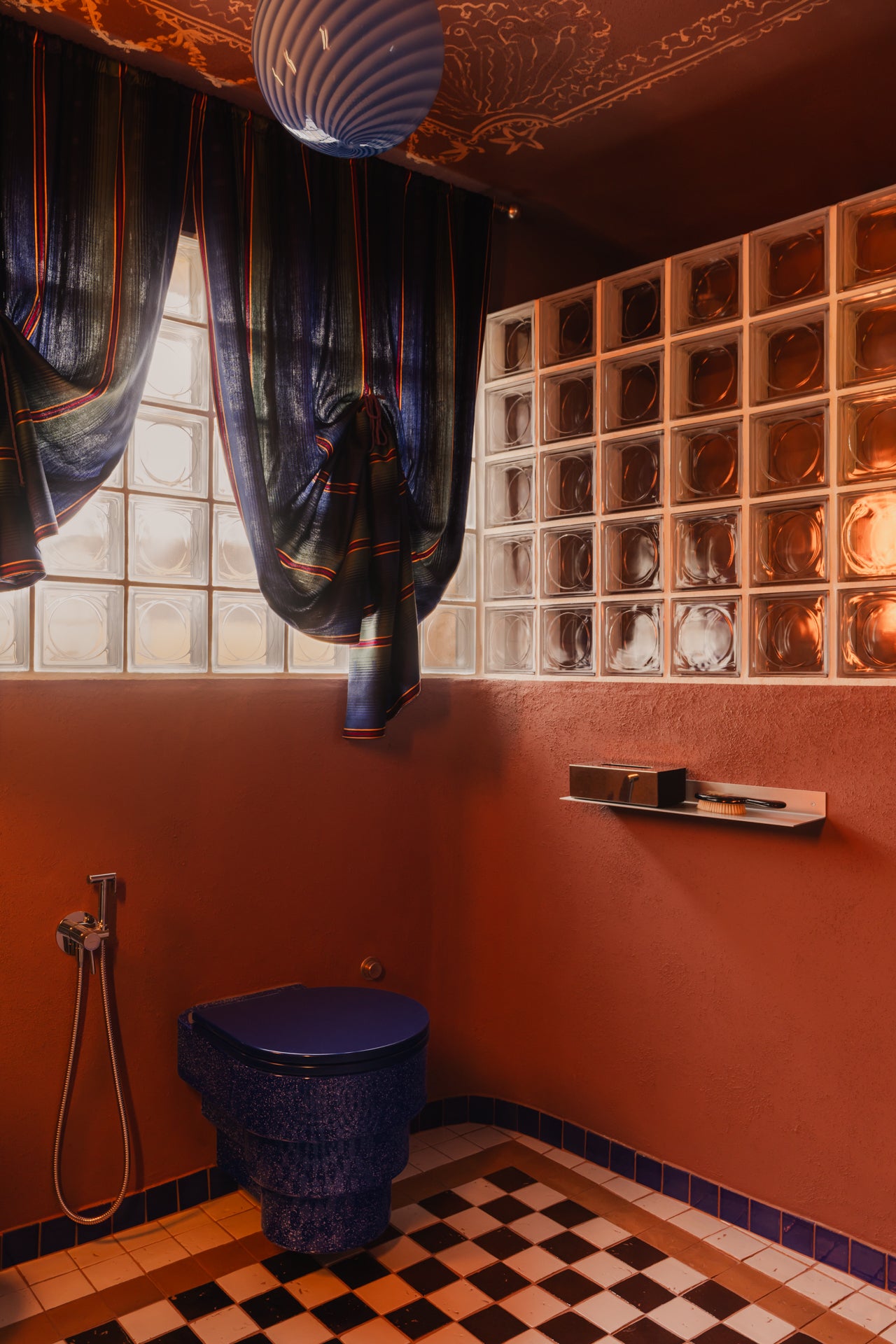
1. Pontil mark
When a glassblower severs the finished piece from the blowpipe/pontil rod, a small, rough mark remains on the base called the pontil mark. It is the glassblower’s "fingerprint" and one of the most reliable signs of handmade glass. Mass-produced copies typically have a smooth, uniform base.
2. Air bubbles
Small air bubbles trapped in the glass are a natural and desirable result of mouth-blowing. They appear when the glassblower shapes the glass with their breath and are practically impossible to reproduce in mass production. If the glass is completely free of bubbles, it was likely molded in a form.
3. Variations in thickness
Genuine mouth-blown glass shows subtle variations in wall thickness. Hold the glass up to the light, and you’ll see it’s slightly thicker in some spots than others. This variation is what gives Murano glass its characteristic, lively play of light. Mass-produced glass is uniformly thick everywhere.
4. Color depth
Murano glassblowers add color by mixing minerals and metal oxides directly into the molten glass—cobalt for blue, gold for ruby red, manganese for violet. This creates a deep, nuanced color that is an integral part of the glass. Copies often have color applied as a surface layer that can look flat or painted.
5. Weight and tone
Genuine Murano glass has a distinctive weight and a clear, pure tone when tapped lightly with a fingernail. This comes from the high quality of the Venetian glass batch (silica from the Venetian lagoon). Cheaper glass copies often feel lighter and produce a duller sound.
What to watch for
- Price: A genuine Murano lamp requires hours of a trained master glassblower’s time. If the price seems too good to be true, it probably is.
- "Murano-style": Terms like "Murano-style", "Murano-inspired" or "Venetian style" are often code words for copies. Genuine Murano glass doesn’t need those qualifiers.
- Origin: Always ask where the glass was produced. Genuine Murano glass is produced exclusively on the Murano island in the Venetian lagoon.
- Certificate: Reputable dealers can document the origin of their glass. At Vetro we know the master glassblower behind every piece, and all new lamps receive a digital certificate of authenticity.
Why Vetro only sells genuine Murano
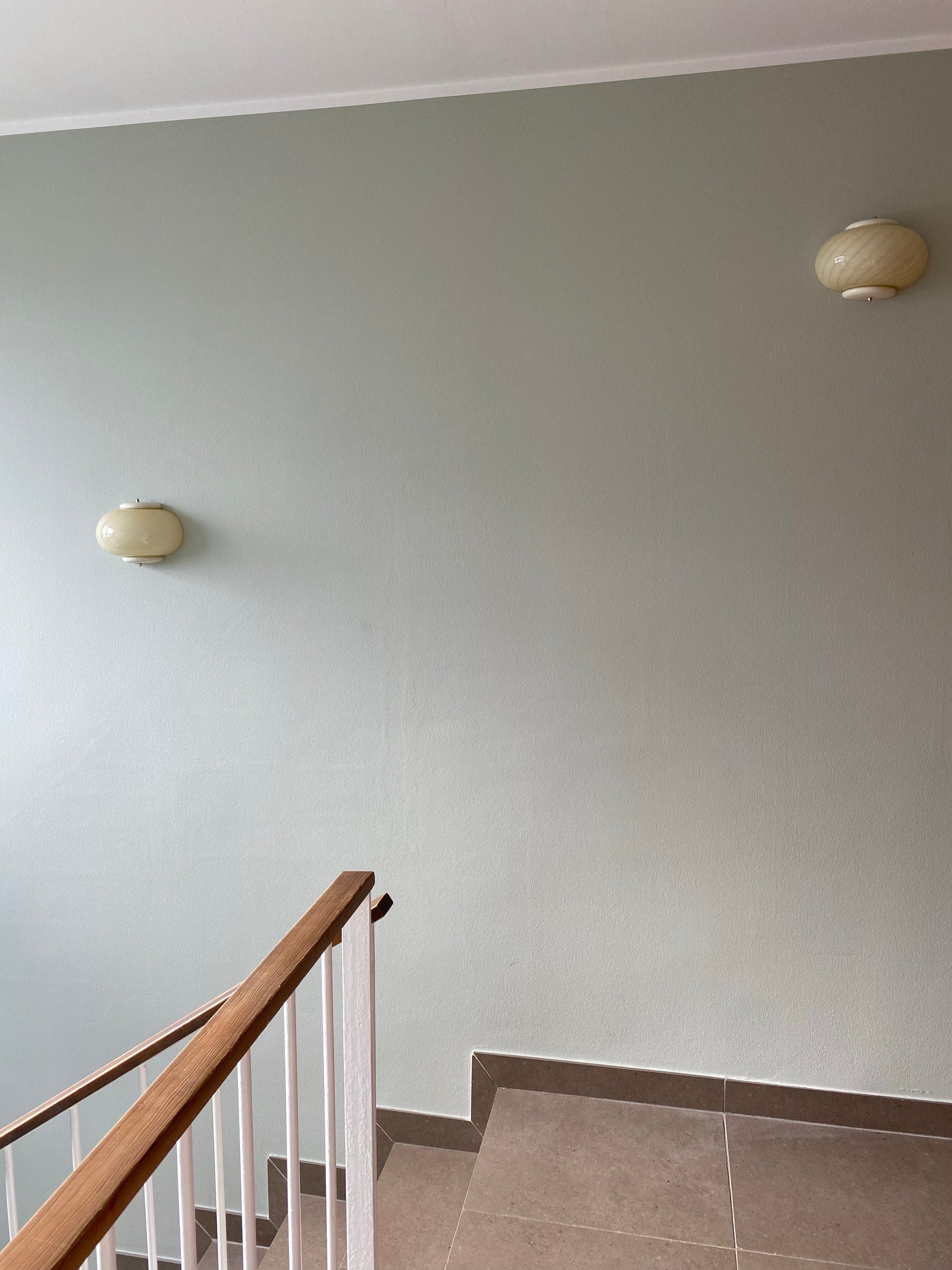
Vetro was founded with one mission: to bring authentic Murano glass art to Scandinavia. We travel regularly to the Murano island, visit the workshops and work directly with the glassblowers. This means:
- Each piece can be traced back to a specific workshop on Murano
- We know the story behind every design and technique
- You receive a genuine Murano lamp with the quality and play of light that only true handmade craft can deliver
Want to learn more about the Murano tradition? Read our guide to Murano glass’s 700-year history from Venice’s famous island, or read about the most acclaimed glassblowers on Murano. Our article on the importance of craftsmanship explains why every detail in the process matters.
Our Candy Swirl collection is a great example of genuine filigrana technique—see the clear difference between handmade and mass-produced glass. Explore our full range of kitchen lamps, entryway lamps and living room lamps in genuine Murano glass.


