
Fake or genuine: How to recognize an original Murano lamp

Murano glass is one of the world’s most sought-after handcrafted products — and unfortunately also one of the most copied. Industry estimates suggest up to 40% of the "Murano" glass sold globally are actually mass-produced copies from Asia or Eastern Europe. When you invest in a Murano pendant, it’s crucial to know what to look for.
Vetro Artistico Murano trademark
In 1994, the Venetian authorities created the trademark "Vetro Artistico Murano" to protect the genuine craft. Only glassworks physically located on Murano island that follow traditional techniques are entitled to use this mark. When you see this mark, you know the glass was produced on the island by authorized master glassmakers.
At Vetro we work directly with certified glassblowers on Murano, and all our lamps can be traced back to the workshop that made them.
Five signs of genuine Murano glass
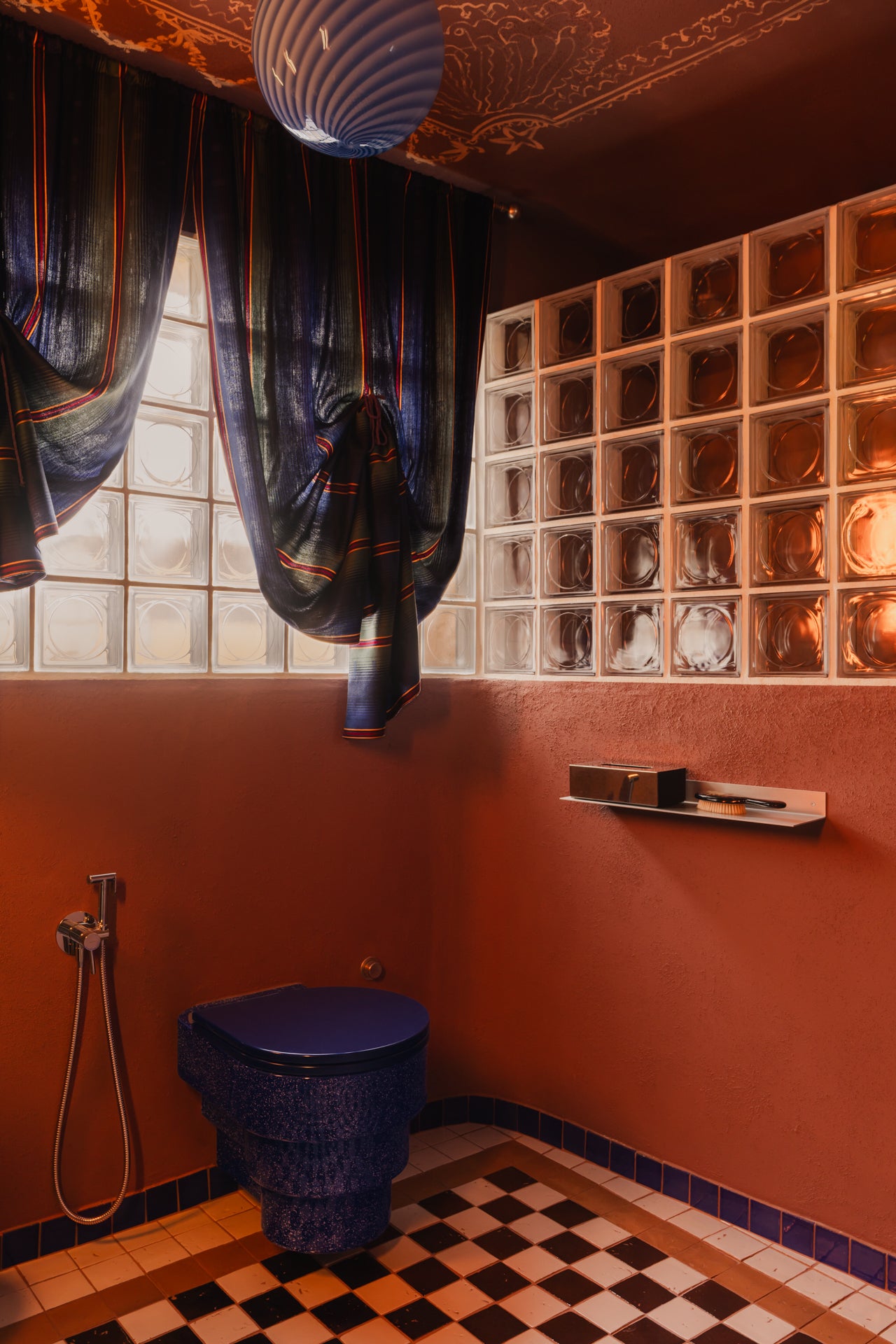
1. The pontil mark
When a glassblower severs the finished piece from the blowing iron, a small rough mark remains on the base called the pontil mark. It’s the glassblower’s "fingerprint" and one of the safest signs of handmade glass. Mass-produced copies typically have a smooth, uniform base.
2. Air bubbles
Small air bubbles trapped in the glass are a natural and desirable result of mouth-blowing. They occur when the glassblower shapes the glass with their breath and are practically impossible to reproduce in mass production. If the glass is completely bubble-free, it was likely molded.
3. Variations in thickness
Genuine mouth-blown glass has subtle variations in wall thickness. Hold the glass up to the light, and you’ll see it’s slightly thicker in some places than others. This variation is what gives Murano glass its characteristic, lively play of light. Mass-produced glass is uniformly thick everywhere.
4. Color depth
Murano glassblowers add color by mixing minerals and metal oxides directly into the molten glass — cobalt for blue, gold for ruby red, manganese for purple. This produces a deep, nuanced color that is an integral part of the glass. Copies often have color applied as a surface layer, which can look flat or painted on.
5. Weight and tone
Genuine Murano glass has a distinctive weight and a clear, pure ring when tapped lightly with a fingernail. This is due to the high quality of the Venetian glass batch (silica from the Venetian lagoon). Cheaper glass copies often feel lighter and produce a duller sound.
What to watch out for
- Price: A genuine Murano lamp requires hours of a trained master glassmaker’s time. If the price seems too good to be true, it probably is
- "Murano-style": Terms like "Murano-style", "Murano-inspired" or "Venetian style" are code words for copies. Genuine Murano glass doesn’t need these qualifiers
- Origin: Always ask where the glass was produced. Genuine Murano glass is produced exclusively on Murano island in the Venetian lagoon
- Certificate: Reputable retailers can document the origin of their glass. At Vetro we know the glassblower behind every single piece
Why Vetro only sells genuine Murano
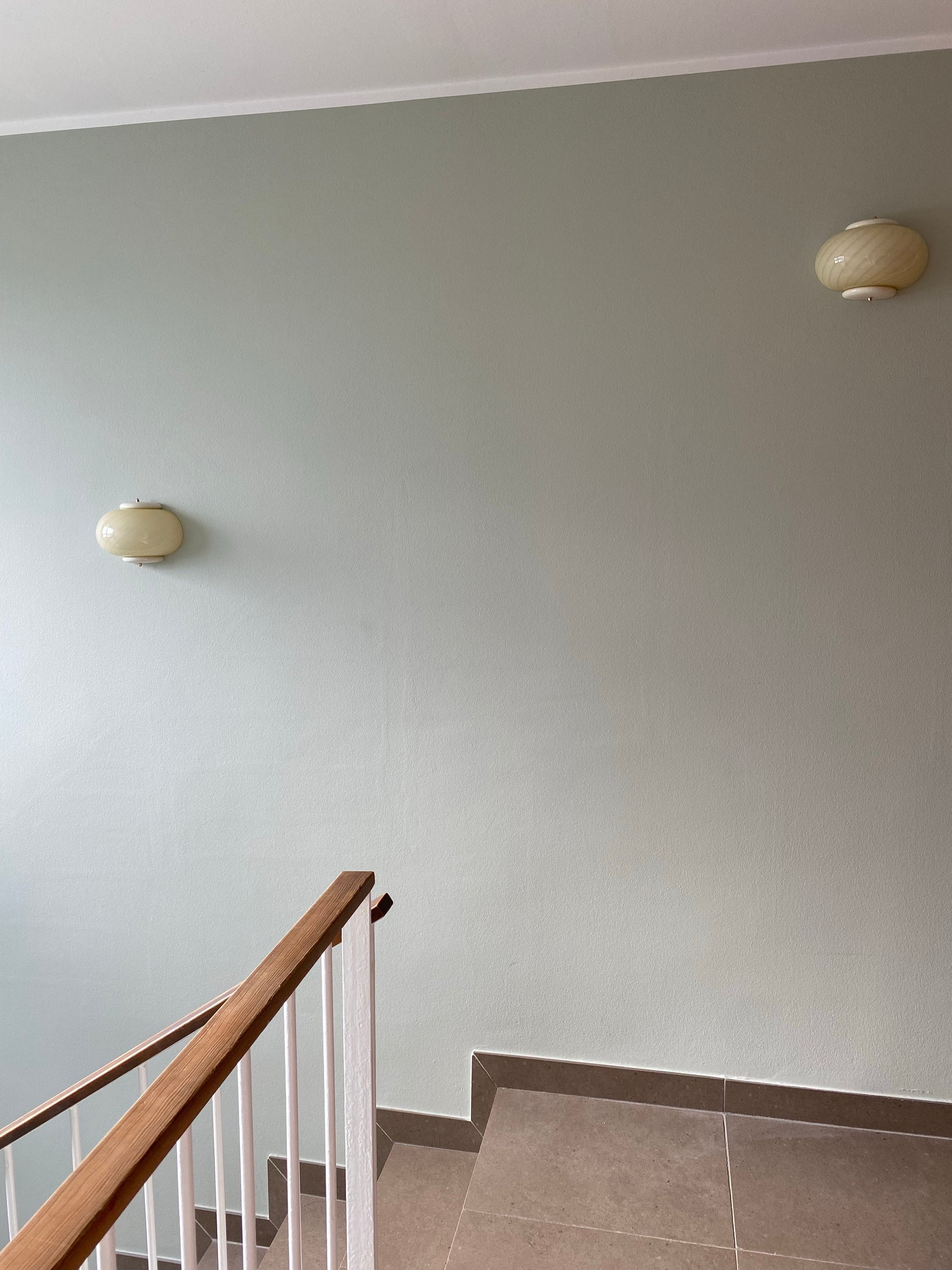
Vetro was founded with one mission: to bring authentic Murano glass art to Scandinavia. We regularly travel to Murano island, visit the workshops, and work directly with the glassblowers. That means:
- Each piece can be traced to a specific workshop on Murano
- We know the story behind every design and technique
- You get a genuine Murano lamp with the quality and light play that only true craftsmanship can deliver
Want to learn more about the Murano tradition? Read our guide to the 700-year history of Murano glass, or read about the most renowned glassblowers on Murano. Our article on the importance of craftsmanship explains why every detail in the process matters.
Our Candy Swirl collection is a good example of genuine filigrana technique — see the clear difference between handmade and mass-produced glass. Explore our full range of kitchen pendants, entryway pendants and living room pendants in genuine Murano glass.


